
Custom Safety Jackets: Combine Protection and Fashion

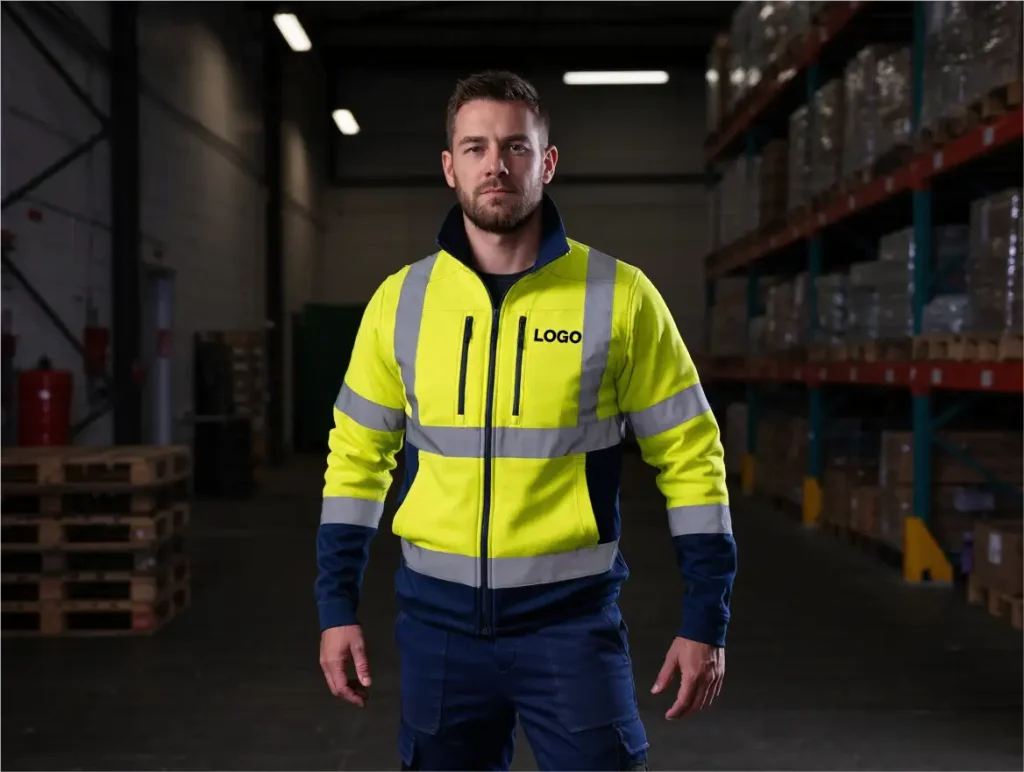
Let’s be honest — safety gear used to look dull. Flat colors. No character. Just something workers had to put on and forget. But things have changed. Today, custom safety jackets are not only about protection — they also show identity, visibility, and professionalism. Think of them like a moving company billboard that also keeps people safe.
If your workers operate outdoors, on roads, inside warehouses, or near heavy machines, a custom safety jacket is not a luxury — it’s a smart move.
What Are Custom Safety Jackets?
Basic Definition
Custom safety jackets are protective garments built for risky or high-hazard environments, but enhanced with personalization such as company logos, brand colors, worker names, or ID details.
They protect people while promoting the brand at the same time.
How They Differ from Standard Safety Jackets
Standard jackets = protection only.
Custom jackets = protection + branding + identification.
It’s like the difference between a plain vehicle and a branded company van — both drive, but only one advertises.
Why Custom Safety Jackets Matter More Than Ever
Workplace Safety Requirements
Safety rules across many industries are becoming stricter. High-visibility clothing is now required in many workplaces. Reflective wear is often mandatory, not optional.
Custom jackets help you meet safety rules without blending into the crowd.
Brand Visibility on Job Sites
Picture a road crew working all day on a busy street. Thousands of people pass by. If every worker wears your logo, that’s free repeated exposure — silent advertising without extra ad cost.
Key Features of High-Quality Custom Safety Jackets
Reflective Materials
Reflective strips are the core of a safety jacket. They bounce light back toward vehicles and equipment, making workers visible from a distance.
More reflection = faster visibility = fewer accidents.
Weather Resistance
Rain, wind, and dust don’t stop job sites. A strong custom safety jacket should block harsh weather while staying flexible enough for movement.
Breathability and Comfort
If a jacket feels like a plastic bag, workers avoid wearing it. Breathable panels and airflow zones keep people comfortable during long shifts.
Comfort increases usage — and usage increases safety.
Stitch Quality and Durability
If stitching breaks, the jacket fails. Reinforced seams and strong thread are essentials, not extras.
Types of Custom Safety Jackets
High-Visibility Jackets
Bright neon yellow, orange, and lime jackets commonly used in construction and roadside work.
Waterproof Safety Jackets
Designed for heavy rain conditions, often made with PU or PVC coatings.
Winter Insulated Safety Jackets
Built with thermal lining to keep workers warm and focused instead of distracted by cold.
Lightweight Mesh Safety Jackets
Ideal for hot weather, offering airflow with visibility.
Customization Options Available
Logo Embroidery
Clean, professional, and long-lasting. Embroidery feels like permanent branding in fabric.
Screen Printing
Best for bold and large designs. Budget-friendly for bulk orders.
Heat Transfer Designs
Great for detailed and colorful logos with sharp edges.
Name and ID Personalization
Adding names improves accountability, teamwork, and site control.
Industries That Need Custom Safety Jackets
Construction
Hard hats and safety jackets are basic requirements — no debate.
Logistics and Warehousing
Forklifts, pallets, and blind corners create risk. Visibility prevents injuries.
Road and Traffic Crews
These workers face direct exposure to moving vehicles. Bright jackets are critical.
Security and Event Staff
Clear identification builds authority and prevents confusion.
How Custom Safety Jackets Improve Team Discipline
Uniform branding changes behavior. When workers wear company jackets, they act more responsibly. It creates a team identity — like wearing a badge.
They don’t just arrive — they represent.
Choosing the Right Fabric for Your Jackets
Polyester vs Cotton Blends
Polyester is tougher and holds reflective strips better. Cotton blends feel softer but wear out faster.
PU-Coated Fabrics
Excellent for waterproof performance. Flexible and durable.
Safety Standards You Should Know
ANSI Standards
Common in the US. They define visibility classes and reflective coverage.
EN ISO Standards
Widely used internationally. Focus on visibility testing and garment performance.
Always verify certification before ordering.
How to Design the Perfect Custom Safety Jacket
Color Selection
Fluorescent yellow and orange remain top choices because the human eye spots them fastest.
Logo Placement
Front chest plus full back print works best — near and far visibility.
Size and Fit Planning
Don’t guess sizes. Ask your team. Wrong sizing wastes money.
Ordering Custom Safety Jackets in Bulk
Minimum Order Quantities
Most suppliers require MOQs. Larger orders usually lower the per-unit cost.
Sampling Before Production
Always approve a sample first. One sample can prevent a large mistake.
Cost Factors You Should Expect
Prices vary based on:
- Fabric type
- Reflective grade
- Printing method
- Embroidery size
- Jacket thickness
- Order volume
Cheap jackets may save money today but cost more when replaced early.
Common Mistakes to Avoid
- Choosing style over visibility
- Printing over reflective strips
- Skipping safety certifications
- Ordering without samples
- Using low-contrast colors
Safety gear is function first, fashion second.
Care and Maintenance Tips
Wash gently without harsh bleach. Air dry when possible. Check reflective strips often — if cracked or faded, replace the jacket.
Reflective strips are like tire tread — once worn, risk increases.
Future Trends in Custom Safety Jackets
The next wave includes smart safety jackets with LEDs, sensors, and tracking chips. Eco-friendly recycled fabrics are also growing.
Soon, safety jackets won’t just be visible — they’ll be intelligent.
Conclusion
Custom safety jackets bring protection and identity together. They protect workers, promote brands, build discipline, and improve visibility in one simple garment. In hazardous workplaces, a personalized safety jacket is more than clothing — it’s protection with purpose. When safety and identity work side by side, everyone benefits.
FAQs
- Are custom safety jackets more expensive than regular ones?
Yes, slightly — but they usually deliver better long-term value through durability and branding. - How long does customization take?
Typically 1–3 weeks depending on design and order size. - Can full-color logos be printed?
Yes. Heat transfer and screen printing support full color. - Do reflective strips wear out?
Yes. Heavy washing and rough use reduce reflectivity over time. - Which color gives maximum visibility?
Fluorescent yellow and orange perform best in most lighting conditions.