
Street Style at NYFW Fall/Winter 2026: New York’s Most Influential Looks

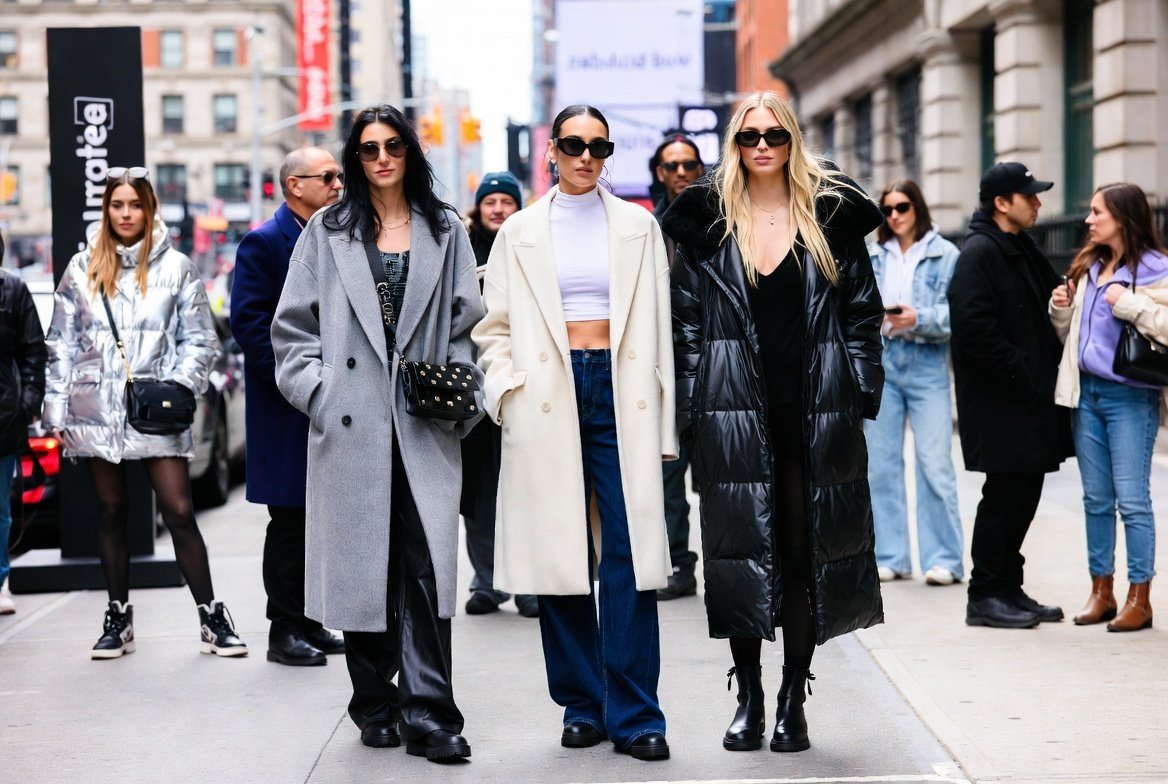
Table of Contents
- The Evolution of NYFW Street Style
- Power Silhouettes Dominating Fall/Winter 2026
- The Outerwear Takeover: Coats as Statement Pieces
- Textures, Layers, and Fabric Play
- Color Stories Seen Across Manhattan
- Accessories That Defined the Sidewalk Runway
- Footwear Trends from Show to Street
- Vintage, Tailoring, and Modern Heritage
- Gender-Fluid Styling and Individual Expression
- How Influencers, Editors, and Buyers Dressed This Season
- The Role of Weather in Styling Choices
- Key Takeaways for Recreating NYFW Street Style
- Visual Breakdown of the NYFW Street Style Formula
The Evolution of NYFW Street Style
Street style at New York Fashion Week has evolved from candid editor snapshots into a cultural benchmark that shapes global wardrobes. For Fall/Winter 2026, the sidewalks outside venues in New York City became a masterclass in personal styling where practicality met theatrical flair. Attendees treated pavements as personal runways, curating outfits that balanced warmth, structure, and visual drama.
This season revealed a decisive shift: less logo-forward maximalism, more intelligent layering, stronger tailoring, and deeply considered silhouettes.
Power Silhouettes Dominating Fall/Winter 2026
The most photographed outfits featured exaggerated proportions:
- Oversized shoulders
- Floor-grazing coats
- Wide-leg tailored trousers
- Structured blazers cinched at the waist
- Voluminous skirts paired with sharp boots
Attendees used proportions as their primary styling language. The silhouette did the talking before color or pattern entered the conversation.
The Outerwear Takeover: Coats as Statement Pieces
Outerwear ruled the street.
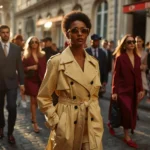
From sculptural wool coats to glossy leather trenches, coats became the focal point. Many opted to keep base layers minimal, allowing outerwear to carry the visual narrative.
Popular outerwear styles included:
- Double-breasted heritage coats
- Longline leather trenches
- Shearling-lined aviators
- Capes and blanket coats
- Belted wool overcoats in muted tones
Coats were not an afterthought—they were the outfit.
Textures, Layers, and Fabric Play
Texture defined depth in many looks. We observed frequent combinations of:
- Wool with leather
- Knitwear with satin
- Denim with cashmere
- Tweed layered over silk
- Shearling paired with structured suiting
Layering was executed with surgical precision. Each fabric added dimension without overwhelming the ensemble.
Color Stories Seen Across Manhattan
The color palette leaned toward refined neutrals with strategic bursts of intensity.
Dominant colors:
- Charcoal grey
- Camel
- Deep chocolate brown
- Burgundy
- Navy
- Olive green
Accent colors:
- Electric blue
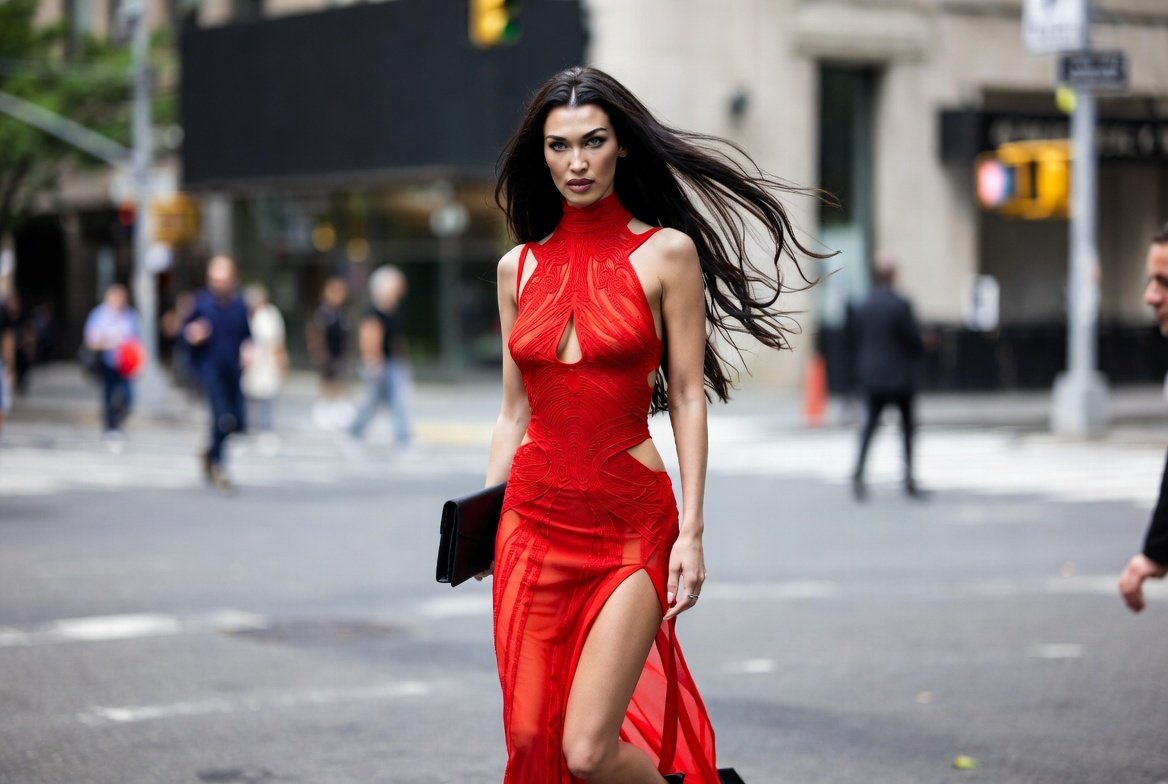
- Fire red
- Metallic silver
Monochrome dressing appeared frequently, especially in brown and grey tonal palettes.
Accessories That Defined the Sidewalk Runway
Accessories were bold yet purposeful.
- Oversized scarves draped like capes
- Structured leather gloves
- Micro sunglasses
- Statement belts over coats
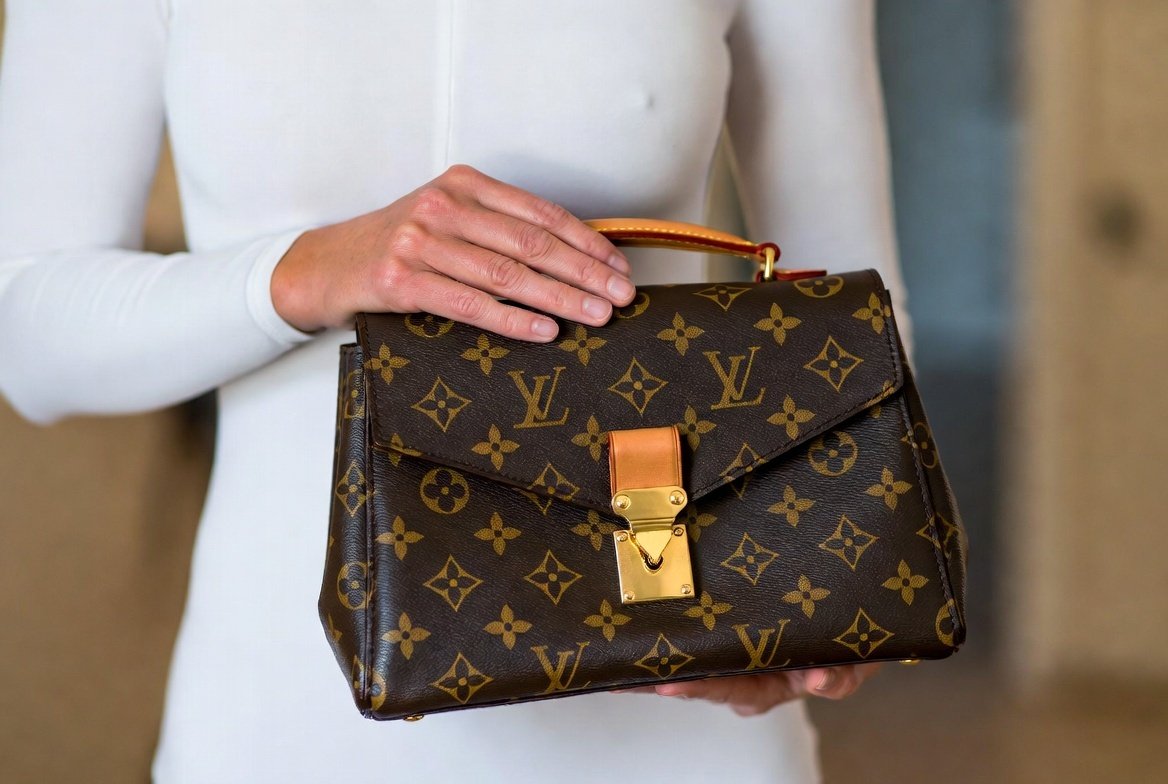
- Slouchy leather handbags
- Vintage brooches pinned to lapels
Accessories served as punctuation marks rather than distractions.
Footwear Trends from Show to Street
Boots dominated.
- Knee-high leather boots
- Square-toe ankle boots
- Platform loafers with thick socks
- Heeled combat boots
Footwear choices balanced practicality for walking Manhattan blocks with strong architectural design.
Vintage, Tailoring, and Modern Heritage
A clear affection for heritage fashion was evident. Many attendees styled vintage blazers, classic tailoring, and archival pieces with modern layers.
We saw:
- Tweed jackets reimagined with leather trousers
- Vintage men’s overcoats worn over delicate dresses
- Traditional suiting fabrics cut into contemporary shapes
The mix of old and new created timeless appeal.
Gender-Fluid Styling and Individual Expression
Street style blurred gender norms.
- Men in skirts and heeled boots
- Women in oversized suiting and ties
- Androgynous layering with neutral palettes
Clothing became a vehicle for identity rather than category.
How Influencers, Editors, and Buyers Dressed This Season
Industry professionals prioritized wearable statement pieces:
- Editors favored structured tailoring with minimal color
- Influencers leaned into experimental layering and dramatic silhouettes
- Buyers chose classic coats and understated luxury
The difference lay in styling attitude, not clothing quality.
The Role of Weather in Styling Choices
Cold temperatures shaped creativity.
Scarves, gloves, hats, and thick layers were not hidden—they were styled as focal elements. Practical winter pieces became fashion statements.
Key Takeaways for Recreating NYFW Street Style
To emulate Fall/Winter 2026 street style:
- Start with a powerful coat
- Build a monochrome or neutral base
- Add texture through layering
- Choose architectural footwear
- Use accessories sparingly but boldly
- Focus on silhouette before color
Street style at New York Fashion Week Fall/Winter 2026 was not about spectacle alone. It was about mastery of proportion, respect for heritage tailoring, and a renewed focus on intelligent dressing. The sidewalks of New York City proved once again that true fashion influence begins off the runway.