
How to Tell if a Louis Vuitton Bag is Real – Authenticity Guide

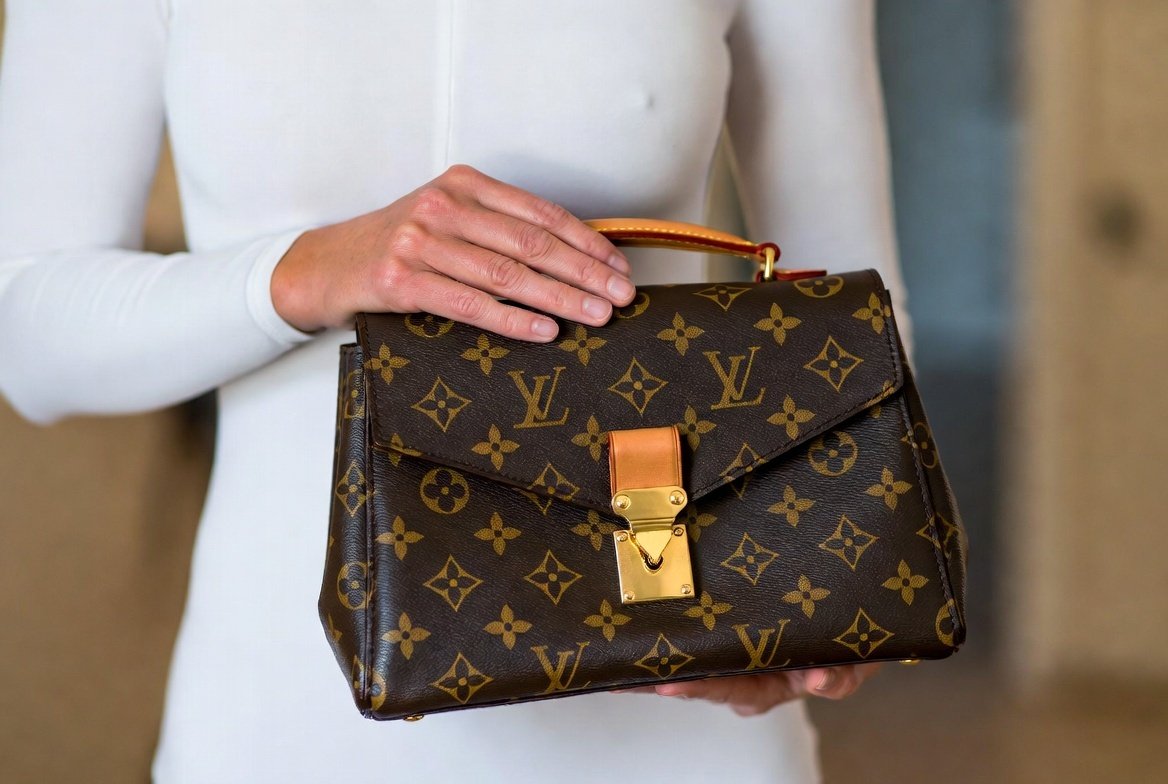
Table of Contents
- Introduction
- Why Knowing Authenticity Matters
- The History of Louis Vuitton
- Key Features of a Real Louis Vuitton Bag
- 4.1 Materials Matter
- 4.2 Logo and Monogram Details
- 4.3 Stitching Quality
- Checking the Date Code
- Hardware and Zippers
- The Smell Test: Leather Authenticity
- Inside the Bag: Lining and Labels
- Packaging and Dust Bags
- Price Check: Too Good to Be True?
- Authentication Services
- Common Louis Vuitton Fakes and How to Spot Them
- Online vs. In-Store Buying Tips
- How to See if Louis Vuitton is Real in Seconds
- Conclusion
- FAQs
Introduction
Buying a Louis Vuitton bag is exciting, but it comes with one big worry: is it real? With counterfeit products flooding the market, knowing how to tell if a Louis Vuitton bag is real has never been more important. Whether you’re shopping online, at a boutique, or getting a pre-loved item, this guide will make spotting fakes a breeze.
Why Knowing Authenticity Matters
Authenticity isn’t just about bragging rights. Real Louis Vuitton bags hold their value, last decades, and support ethical manufacturing practices. On the other hand, fake bags can break quickly, irritate your skin with low-quality materials, and even get you in trouble if resold.
The History of Louis Vuitton
Louis Vuitton started in 1854 in Paris as a luggage brand. Over the decades, it became synonymous with luxury. Understanding the brand’s heritage helps you notice details that counterfeiters often miss. From the iconic LV monogram to the precise stitching, every bag tells a story of craftsmanship.
Key Features of a Real Louis Vuitton Bag
Materials Matter
One of the easiest ways to tell if a Louis Vuitton bag is real is by feeling it. Authentic LV bags use high-quality canvas or leather. The material should feel sturdy yet supple, not plasticky or flimsy.
Logo and Monogram Details
Louis Vuitton logos are precise. The LV symbol should be symmetrical, perfectly aligned, and consistent across the bag. Counterfeits often have off-center logos, misaligned patterns, or inconsistent fonts.
Stitching Quality
Check the stitching carefully. Louis Vuitton uses even, tight, and straight stitches. If you see loose threads or uneven spacing, it’s likely a fake. Count the stitches per inch — genuine bags are meticulous in this detail.
Checking the Date Code
Real Louis Vuitton bags have a date code, usually inside the pocket or lining. The code tells you the location and date of manufacture. Keep in mind, a date code alone doesn’t guarantee authenticity, but a missing or poorly stamped code is a red flag.
Hardware and Zippers
Louis Vuitton uses high-quality metal hardware, often engraved with the logo. The zippers should glide smoothly without sticking. Cheap, lightweight, or poorly engraved hardware usually signals a counterfeit.
The Smell Test: Leather Authenticity
Real LV leather has a natural, slightly sweet smell. Fakes often smell of chemicals or plastic. This might seem subtle, but your nose can be a surprisingly accurate authentication tool.
Inside the Bag: Lining and Labels
Check the lining — it should match the style of the bag. Louis Vuitton often uses canvas, microfiber, or fine textile lining. Labels should be heat-stamped neatly; if they look glued, crooked, or poorly printed, it’s likely fake.
Packaging and Dust Bags
Authentic Louis Vuitton bags come with high-quality packaging, including a dust bag with the LV logo. Counterfeit dust bags often use cheap fabric or incorrect logos.
Price Check: Too Good to Be True?
Louis Vuitton bags don’t come cheap. If the price seems suspiciously low, it probably is. Comparing with official store prices can save you from costly mistakes.
Authentication Services
If in doubt, use authentication services. Professionals can verify your bag’s authenticity using serial numbers, stitching, materials, and other details. Some popular online services even provide digital certificates.
Common Louis Vuitton Fakes and How to Spot Them
Counterfeiters often target popular styles like the Neverfull, Speedy, and Alma. Look for these common signs:
- Misaligned monograms
- Wrong date codes
- Cheap leather or hardware
- Poor packaging
Online vs. In-Store Buying Tips
When buying online, request clear photos of logos, hardware, stitching, and date codes. Check seller reviews and return policies. In-store purchases almost always guarantee authenticity, but always inspect the bag before paying.
How to See if Louis Vuitton is Real in Seconds
For a quick check, focus on:
- Logo alignment
- Stitching quality
- Date code presence
- Smooth zippers
- Material feel
These five steps can quickly tell you if a Louis Vuitton bag is genuine.
Conclusion
Knowing how to tell if a Louis Vuitton bag is real can save you money and ensure you’re buying a piece of luxury that lasts. From inspecting logos to feeling the leather, every detail counts. Take your time, trust your instincts, and when in doubt, consult a professional. Authenticity isn’t just about the bag — it’s about peace of mind.
FAQs
- How do you know if a Louis Vuitton is real?
Check the logo alignment, stitching, hardware, date code, and material quality. - Can a fake Louis Vuitton have a date code?
Yes, some fakes mimic date codes, so also inspect materials, stitching, and hardware. - Is buying online safe for Louis Vuitton bags?
Yes, but only from trusted sellers with clear photos, return policies, and authentication guarantees. - Do all Louis Vuitton bags smell like leather?
Authentic LV leather has a subtle natural scent, unlike chemical or plastic smells in fakes. - Can I authenticate a Louis Vuitton bag myself?
Yes, with careful inspection of logos, stitching, hardware, date codes, and material feel. Professional services provide extra certainty.