
2026 Winter Olympics Alpine Skiing: Schedule, Tickets, Athletes, & Venue Guide

2026 Winter Olympics Alpine Skiing – Quick Answer
The 2026 Winter Olympics Alpine Skiing events will take place in Cortina d’Ampezzo, Italy, during February 2026. Competitions include Downhill, Super-G, Giant Slalom, Slalom, and Alpine Combined for both men and women. Tickets will be released in phases, with medal events expected to have premium pricing due to high demand. Global broadcasts will be available through major Olympic rights holders.
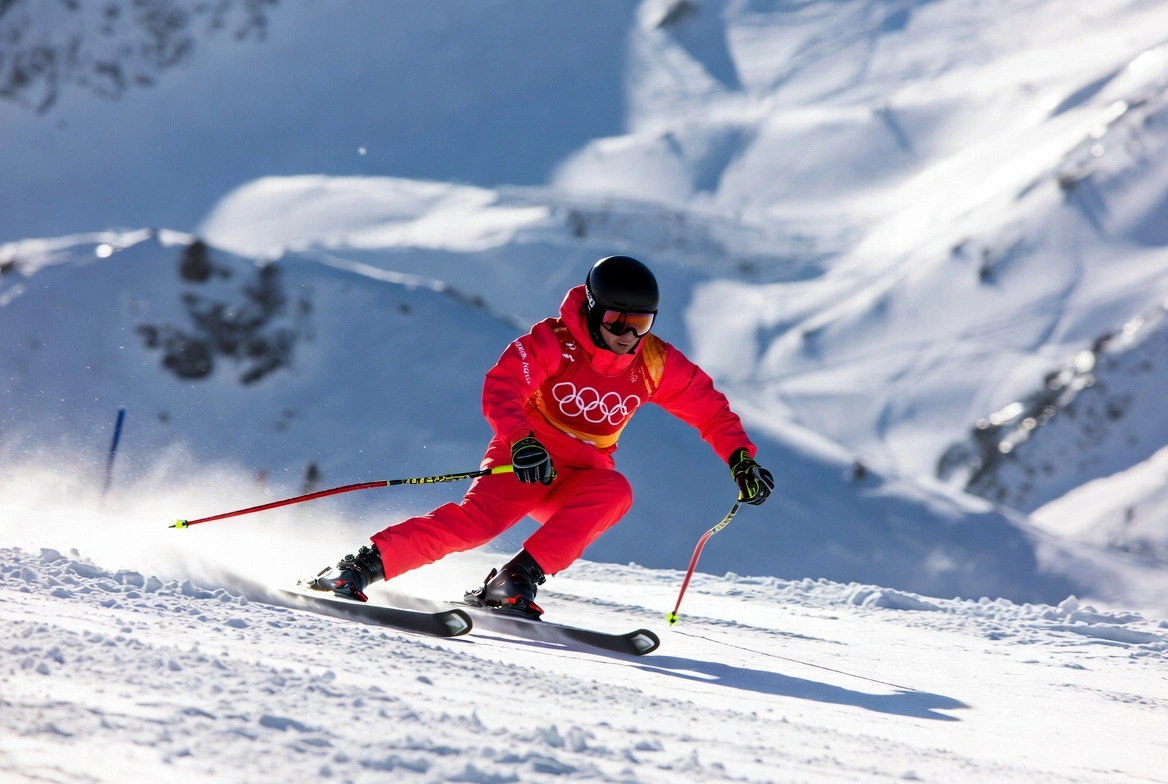
The 2026 Winter Olympics Alpine Skiing competition is set to be one of the most thrilling highlights of the upcoming Winter Games. Hosted in Italy as part of the 2026 Winter Olympics, alpine skiing will take place on legendary Italian slopes, bringing together the fastest and most technical skiers in the world.
From downhill speed demons to slalom precision masters, here’s everything you need to know.
Where Will Alpine Skiing Be Held?
Alpine skiing events will be staged in Cortina d’Ampezzo, one of the most iconic ski destinations in the world.
Cortina is no stranger to Olympic history:
Hosted the 1956 Winter Olympics
Regular stop on the FIS Alpine World Cup circuit
Known for demanding downhill terrain and dramatic mountain backdrops
Expect technical courses, icy conditions, and dramatic finishes.
Alpine Skiing Events at Milano Cortina 2026
Athletes will compete in multiple disciplines across men’s and women’s categories:
Speed Events
Downhill
Super-G
Technical Events
Giant Slalom
Slalom
Combined Event
Alpine Combined (Downhill/Super-G + Slalom format)
Each event tests different skill sets — speed, balance, edge control, endurance, and tactical intelligence.
Top Athletes to Watch in 2026
Several stars are expected to headline the alpine skiing competition:
Mikaela Shiffrin – A dominant force in slalom and giant slalom, potentially competing in her fourth Olympics.
Marco Odermatt – One of the most consistent overall World Cup leaders.
Sofia Goggia – A hometown favorite in downhill, especially dangerous on Italian snow.
Aleksander Aamodt Kilde – Known for power and speed in downhill and Super-G.
Expect surprise podium finishes — alpine skiing is famous for razor-thin margins.
Schedule & Key Dates
Alpine skiing will run throughout the Winter Olympics schedule in February 2026. Events typically alternate between men’s and women’s races, with finals drawing global primetime audiences.
The full competition calendar will be confirmed closer to the Games, but expect:
Opening week: Speed events
Mid-Games: Giant Slalom
Final week: Slalom and Combined
Course Conditions & Weather Factors
Cortina’s Dolomite terrain adds unpredictability:
Steep vertical drops
Technical blind turns
Possible icy surfaces
Weather shifts (snow, wind, fog delays)
In alpine skiing, hundredths of a second separate gold from silver.
How Alpine Skiing Is Judged
Unlike judged sports, alpine skiing is purely time-based:
Fastest total time wins
Combined events add two runs together
Missed gates = disqualification
Precision is everything.
Medal Predictions & Powerhouse Nations
Historically strong alpine skiing nations include:
Switzerland
Norway
Austria
Italy
United States
Italy may benefit from home snow advantage — something to watch closely.
Why Alpine Skiing Will Be a Headliner in 2026
Several factors make this edition special:
Return to historic Cortina
Veteran legends vs. rising young talent
Potential record-breaking Olympic medal counts
Massive European audience time zone advantage
Alpine skiing consistently delivers high drama, and Milano Cortina 2026 is expected to raise the bar.
2026 Winter Olympics Alpine Skiing Tickets
Tickets for alpine skiing events at the 2026 Winter Olympics are expected to be in high demand, especially with competitions taking place in the iconic mountain setting of Cortina d’Ampezzo.
Ticket sales will be released in phases, typically including early registration, lottery selection for high-demand events, and general public sales. Fans are encouraged to register early through the official Olympic ticketing platform once available.
Pricing will vary depending on the session and seating category. Qualification rounds generally fall into more affordable tiers, while medal events such as Downhill and Slalom finals are expected to carry premium pricing due to limited mountain capacity and global interest.
Spectators planning to attend should also consider:
Booking accommodation early, as Cortina fills quickly during major events
Planning transportation between Milan and the alpine venues
Arriving early due to mountain access logistics and potential weather conditions
Purchasing tickets only through official Olympic channels is strongly recommended to avoid invalid or unauthorized resale tickets.
How to Watch 2026 Winter Olympics Alpine Skiing
Global broadcasting rights vary by country, but major networks and streaming platforms will carry live coverage.
In the U.S., coverage is typically handled by NBC and its streaming platforms.
European coverage will be widely available across national broadcasters.
Streaming, highlights, and live timing will also be accessible via official Olympic channels.
Final Thoughts
The 2026 Winter Olympics Alpine Skiing competition blends speed, risk, and technical mastery like no other Winter Games sport. With iconic slopes, elite athletes, and global attention, Cortina 2026 is shaping up to deliver unforgettable moments.
If you’re tracking medal favorites, schedule updates, or athlete storylines — this will be one of the must-watch events of the Winter Games.
Resources
For official updates, schedules, and ticket announcements regarding alpine skiing at the 2026 Winter Olympics, refer to the following authoritative sources:
- International Olympic Committee – Official Olympic news, event updates, and ticket information
- Milano Cortina 2026 Organizing Committee – Official host committee announcements and venue details
- FIS (International Ski Federation) – Alpine skiing rankings, World Cup standings, and athlete profiles
- NBC – U.S. broadcast coverage details and streaming information
These sources provide the most accurate and up-to-date information regarding competition schedules, athlete participation, venue logistics, and ticket releases.
Frequently Asked Questions (FAQs)
What is alpine skiing at the Winter Olympics?
Alpine skiing at the Winter Olympics is a timed downhill racing sport where athletes compete on steep mountain courses. Events include Downhill, Super-G, Giant Slalom, Slalom, and Alpine Combined, testing both speed and technical precision.
Where will alpine skiing take place at the 2026 Winter Olympics?
Alpine skiing events will be held in Cortina d’Ampezzo, a historic ski destination known for hosting the 1956 Winter Olympics and multiple World Cup races.
When will alpine skiing events happen during the 2026 Winter Olympics?
Alpine skiing competitions are scheduled throughout February 2026, with speed events typically held earlier in the Games and technical events like Slalom and Giant Slalom taking place later.
How much are 2026 Winter Olympics alpine skiing tickets?
Ticket prices vary depending on the event and seating category. Qualification rounds are generally more affordable, while medal events such as Downhill and Slalom finals are expected to have premium pricing due to high demand and limited mountain capacity.
How can I buy tickets for alpine skiing at the 2026 Winter Olympics?
Tickets should be purchased through the official Olympic ticketing platform. Sales are usually released in phases, including early registration, lottery selection for high-demand events, and general public sales.
Who are the top athletes competing in alpine skiing in 2026?
Several elite skiers are expected to compete, including Mikaela Shiffrin, Marco Odermatt, Sofia Goggia, and Aleksander Aamodt Kilde.
How is Olympic alpine skiing judged?
Alpine skiing is based purely on time. The athlete with the fastest total time wins. Missing a gate results in disqualification.
Which countries are strongest in Olympic alpine skiing?
Historically dominant nations include Switzerland, Norway, Austria, Italy, and the United States, with strong medal performances across multiple Winter Games editions.